





.jpg)


















Research Universities
Core Mission Statement for Research Universities
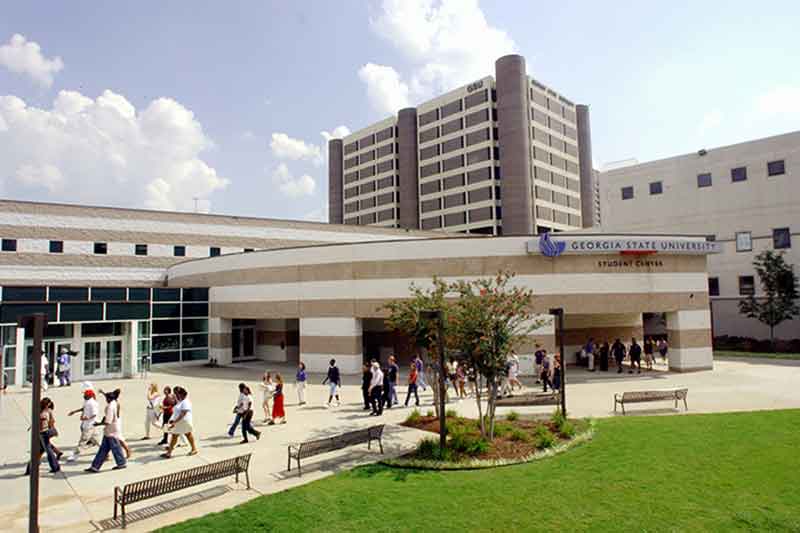
Within the context of the University System’s mission and vision, the University of Georgia, Georgia State University, Georgia Institute of Technology, and Augusta University share core characteristics as research universities. While the four universities all embody the common characteristics presented below, variations in their purposes, histories, traditions, and settings allow each also to focus on its own distinctiveness and accomplishments.
The core characteristics include:
within a statewide scope of influence, a commitment to excellence and responsiveness in academic achievements that impart national or international status;
a commitment to a teaching/learning environment, both inside and outside the classroom, that sustains instructional excellence, serves a diverse and well-prepared student body, provides academic assistance, and promotes high levels of student achievement;
a commitment to wide-ranging research, scholarship, and creative endeavors that are consistent with the highest standards of academic excellence, that are focused on organized programs to create, maintain, and apply new knowledge and theories, and that promote instructional effectiveness and enhance institutionally relevant faculty qualifications;
a commitment to public service, economic development and technical assistance activities designed to address the strategic needs of the State of Georgia along with a comprehensive offering of continuing education programs, including continuing professional education to meet the needs of Georgia’s citizens for life-long learning;
a range of disciplinary and interdisciplinary academic programming at the baccalaureate, masters and doctoral levels, as well as a range of professional programs at the baccalaureate and post-baccalaureate level, including the doctoral level.
Comprehensive Universities
Core Mission Statement for Comprehensive Universities
Within the context of the University System’s mission and vision, Georgia Southern University, Kennesaw State University, Valdosta State University and the University of West Georgia share core characteristics as comprehensive universities. While these universities embody the common characteristics presented below, variations in their purposes, histories, traditions, and settings allow each also to focus on its own distinctiveness and accomplishments.
The core characteristics include:
a commitment to excellence and responsiveness within a scope of influence defined by the needs of a specific region of the state, and by particularly outstanding programs or distinctive characteristics that have a magnet effect even beyond the region;
a commitment to a teaching/learning environment, both inside and outside the classroom, that sustains instructional excellence, serves a diverse and well-prepared student body, promotes high levels of student achievement, offers academic assistance, and provides developmental studies programs for a limited student cohort;
a range of disciplinary and interdisciplinary academic programming at the baccalaureate and masters levels, as well as a range of professional programs at the baccalaureate and post baccalaureate levels, including a limited number of professionally-oriented doctoral level programs;
a commitment to public service, continuing education, technical assistance, and economic development activities that address the needs, improve the quality of life, and raise the educational level within the university’s scope of influence;
a commitment to scholarly and creative work to enhance instructional effectiveness and to encourage faculty scholarly pursuits, and a commitment to research in selected areas of institutional strength and focused on regional need.
State Universities
Core Mission Statement for State Universities
Within the context of the University System’s mission and vision, Albany State University, Clayton State University, Columbus State University, Fort Valley State University*, Georgia College & State University, Georgia Southwestern State University, Kennesaw State University, University of North Georgia, Savannah State University, and University of West Georgia share core characteristics as state universities. While these universities all embody the common characteristics presented below, variations in their purposes, histories, traditions, and settings allow each also to focus on its own distinctiveness and accomplishments.
The core characteristics include:
commitment to excellence and responsiveness within a scope of influence defined by the needs of an area of the state, and by particularly outstanding programs or distinctive characteristics that have a magnet effect throughout the region or state;
a commitment to a teaching/learning environment, both inside and outside the classroom, that sustains instructional excellence, serves a diverse and college-prepared student body, promotes high levels of student achievement, offers academic assistance, and provides developmental studies programs for a limited student cohort;
a high quality general education program supporting a variety of disciplinary, interdisciplinary, and professional academic programming at the baccalaureate level, with selected master’s and educational specialist degrees, and selected associate degree programs based on area need and/or interinstitutional collaborations;
a commitment to public service, continuing education, technical assistance, and economic development activities that address the needs, improve the quality of life, and raise the educational level within the university’s scope of influence;
a commitment to scholarly and creative work to enhance instructional effectiveness and to encourage faculty scholarly pursuits, and a commitment to applied research in selected areas of institutional strength and area need.
*In addition to these core characteristics, Fort Valley State University has a unique and distinct statewide mission as an 1890 land-grant institution.
State Colleges
Core Mission Statement for State Colleges
Within the context of the mission and vision of the University System of Georgia, its state colleges share core characteristics. State colleges are designed as highly flexible and dynamic institutions, particularly responsive to workforce needs in their areas. The primary functions of a state college are to serve as the associate-level access institution in the local area and to offer a limited number of baccalaureate programs targeted to serve the economic development needs of their region. While these colleges embody the common characteristics presented below, variations in their purposes, histories, traditions and settings allow each also to focus on its own distinctiveness and accomplishments.
The core characteristics include:
a commitment to excellence and responsiveness within a scope of influence defined by the needs of a local area and by particularly outstanding programs or distinctive characteristics that have a magnet effect throughout the region or state;
a commitment to a teaching/learning environment, both inside and outside the classroom, that sustains instructional excellence, functions to provide University System access for a diverse student body, and promotes high levels of student learning;
a high quality general education program that supports a variety of well-chosen associate programs and prepares students for baccalaureate programs, learning support programs designed to insure access and opportunity for a diverse student body, and a limited number of certificate and other career programs to complement neighboring technical institute programs;
a limited number of baccalaureate programs designed to meet the educational and economic development needs of the local area;
a commitment to public service, continuing education, technical assistance, and economic development activities that address the needs, improve the quality of life, and raise the educational level within the state college’s scope of influence;
a commitment to scholarship and creative work to enhance instructional effectiveness and to encourage faculty scholarly pursuits; and a responsibility to address local needs through applied scholarship, especially in areas directly related to targeted baccalaureate degree programs.